
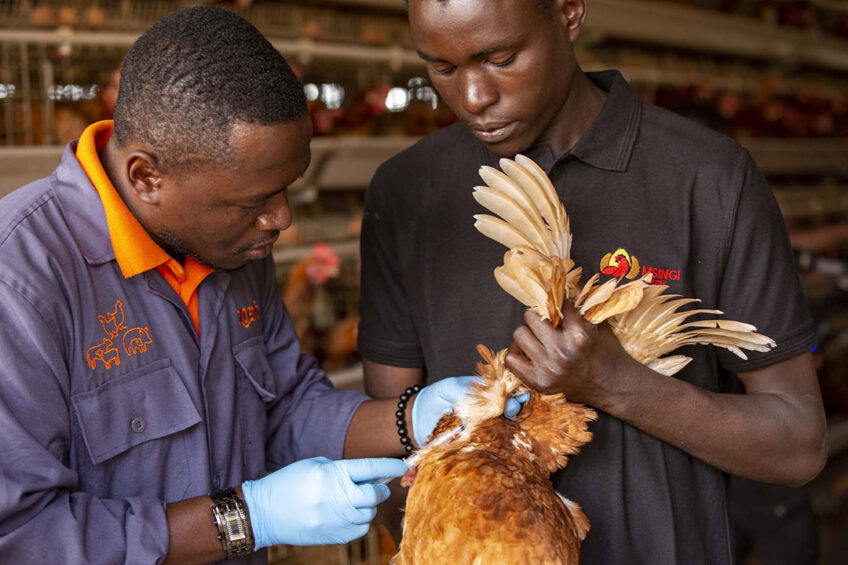
Seven Biosecurity Habits That Protect Your Flock

Most disease outbreaks on poultry farms are carried in from outside: on shoes, crates, vehicles, new birds and visitors. Biosecurity is simply the set of daily habits that keeps those risks out. None of the seven below is expensive, and together they prevent far more loss than any treatment can recover.
1. Control who comes in
Keep the farm gate closed and limit visitors to people who need to be there. Anyone who has been on another poultry farm that day should not enter your pens.
2. Use footbaths and farm footwear
Place a footbath with fresh disinfectant at the entrance of every pen and change the solution regularly. Better still, keep boots that never leave the farm.
3. Work from youngest to oldest
Attend to your youngest birds first and your oldest or sick birds last, so you do not carry infection to the most vulnerable flock.
4. Rest and clean the house between flocks
When a batch is sold, remove all litter, wash the house and equipment, disinfect, and let the house rest before restocking. Starting clean is the best head start a new flock can get.
5. Buy healthy stock and isolate new arrivals
Source day old chicks from a reputable hatchery. If you add older birds to the farm, keep them apart for at least two weeks and watch them before they join the rest.
6. Keep rodents and wild birds out
Rats and wild birds carry disease and contaminate feed. Seal gaps in the house, store feed properly and clear spilled feed and bush around the pens.
7. Follow a vaccination programme and keep records
Work with a veterinarian to set a vaccination schedule for your area, and write down what was given and when. Record daily mortality and feed intake too. A sudden change in either is often the first warning that something is wrong.
When birds do fall sick, speak to a veterinarian before reaching for medication. The right diagnosis saves both birds and money.
Comments (0)
No comment in this post. Be the first to comment below.